


Other Endocrine Problems
Home Other Endocrine Problems

Other Endocrine Problems

ResQ

Get in Touch with
Dr. Ravi Shah

Have questions or need endocrinology consultation?

Endocrine Care

Expert Diagnosis & Management for Complex, Rare, and Multisystem Endocrine Conditions

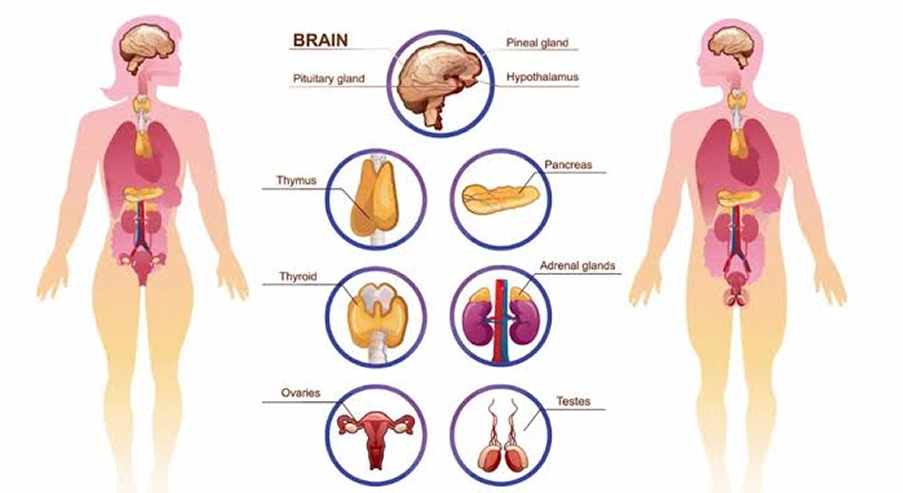
The endocrine system is a vast communication network orchestrating human survival. Beyond common thyroid disease and diabetes, there are complex glandular dysfunctions involving the pituitary gland (master gland), adrenal glands, parathyroid glands, and systemic electrolyte regulations. Conditions such as Prolactinomas, Acromegaly, Adrenal Insufficiency (Addison’s disease), Cushing’s syndrome, severe Hyponatremia (low sodium/SIADH), and Neuroendocrine Tumors require subspecialized DM Endocrinology training. Dr. Ravi Shah provides advanced tertiary diagnostic and therapeutic care for these intricate conditions.

Dynamic Hormone Testing

Dynamic Hormone Function Tests

ACTH stimulation testing, low/high dose dexamethasone suppression tests, growth hormone suppression tests, and water deprivation testing.

Hormone Replacement Care

Precision Hormone Replacement

Fine-tuned physiologic replacement therapies (Hydrocortisone, Fludrocortisone, Desmopressin, Dopamine agonists) and peri-operative endocrine stabilization.

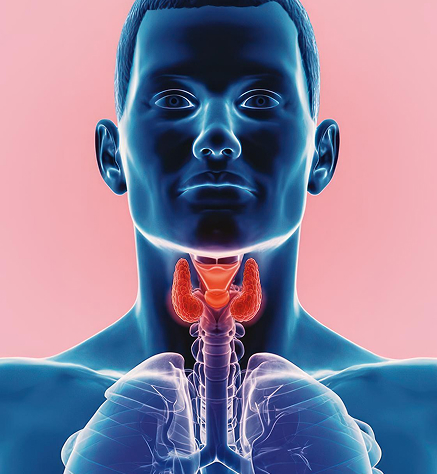
Multidisciplinary Tertiary Care for Neuroendocrine Health

Because rare endocrine diseases frequently mimic other medical ailments—such as depression, chronic exhaustion, refractory nausea, or unexplained weight shifts—patients often spend years searching for answers. Dr. Ravi Shah collaborates closely with neurosurgeons, radiologists, and oncologists to establish prompt diagnosis, accurate imaging (pituitary MRI, adrenal CT), and patient-centric management plans.

Endocrinology Specialist

Why Choose Dr. Ravi Shah for Complex Endocrine Care

DM Endocrinology expertise in pituitary, adrenal, and neuroendocrine axes

Advanced capability in running complex dynamic endocrine hormonal tests

Careful management of life-threatening adrenal crises & hyponatremia

Expert medical management of prolactinomas, acromegaly, and Cushing's

Collaborative care alongside top neurosurgical and surgical teams

Our Diagnostic & Therapeutic Pathway

01

Detailed Clinical Investigation

Thorough symptom mapping, visual field changes, unexplained electrolyte fluctuations, and review of prior brain/abdominal scans.

02

Dynamic Endocrine Testing

Conducting specialized stimulatory or suppressive tests to objectively confirm glandular hypofunction or hypersecretion.

03

Targeted Pharmacotherapy

Initiating physiological hormone replacement (e.g. hydrocortisone with sick-day education) or medication to shrink pituitary tumors.

04

Long-Term Surveillance

Routine hormone checks, serial MRI/CT follow-ups, and adjustment of dosages during physical stress or illness.

Endocrine Care

Proven Excellence in Endocrine Science

15 K+

Consultations & Cases Handled

98 %

Diagnostic Accuracy Rate

10 +

Years Specialist Experience

Frequently Asked Questions About Endocrine Conditions

A pituitary adenoma is a non-cancerous growth on the pituitary gland. When it overproduces prolactin (Prolactinoma), it causes irregular periods, breast milk discharge (galactorrhea), infertility, or vision problems. Most prolactinomas are cured or shrunk with oral medications without surgery.

Adrenal insufficiency causes severe fatigue, chronic nausea, loss of appetite, unexplained weight loss, low blood pressure (dizziness on standing), salt cravings, and skin darkening (hyperpigmentation).

Cushing's syndrome is caused by excess cortisol. It is diagnosed using 24-hour urine free cortisol, midnight salivary cortisol, and dexamethasone suppression testing. Treatment focuses on removing the underlying pituitary or adrenal tumor or tapering offending steroid medications.

Low blood sodium is frequently caused by Syndrome of Inappropriate Antidiuretic Hormone (SIADH), adrenal crisis, or severe hypothyroidism. An endocrinologist identifies the exact hormonal cause and corrects water and sodium balance safely.

Patients with adrenal insufficiency must temporarily double or triple their hydrocortisone dose during acute fever, infection, trauma, or surgery to mimic the body's natural stress response and prevent life-threatening adrenal crisis.

Dr. Ravi Shah

Looking for Expert Endocrine Consultation? BOOK AN APPOINTMENT NOW

Call Now WhatsApp
BOOK YOUR VISIT

Schedule Your
Appointment

Take the first step towards your care and well-being. Fill out the form and our team will get in touch with you shortly.

Call Us +91 63556 29916
Email Us rjshah26395@gmail.com

Book an Appointment

Please fill in your details below.

Your information is safe and confidential.